
Table of Contents
The History of Dehradun: A Journey Through Time
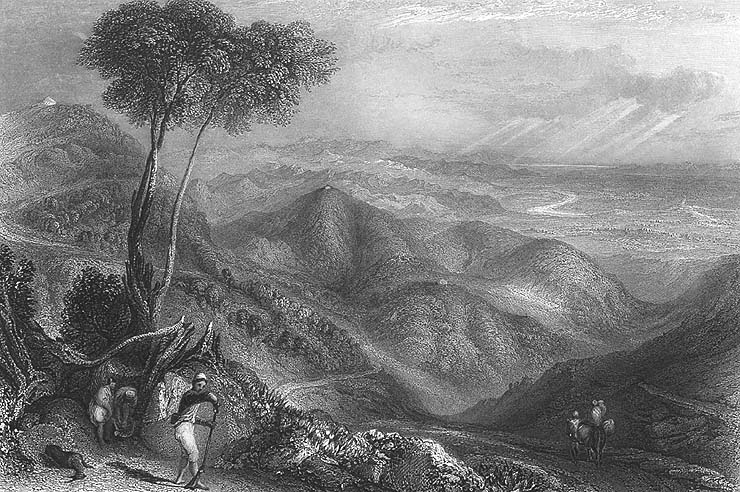
Nestled in the foothills of the Himalayas, Dehradun, the capital city of Uttarakhand, is a land steeped in history, culture, and natural beauty. Its strategic location in the Doon Valley, between the Ganges and Yamuna rivers, has made it a significant center for trade, learning, and governance for centuries. The history of Dehradun is a fascinating tapestry woven with mythological narratives, colonial influences, and post-independence development. Let’s delve into the rich historical legacy of this charming city.
Mythological History Of Dehradun
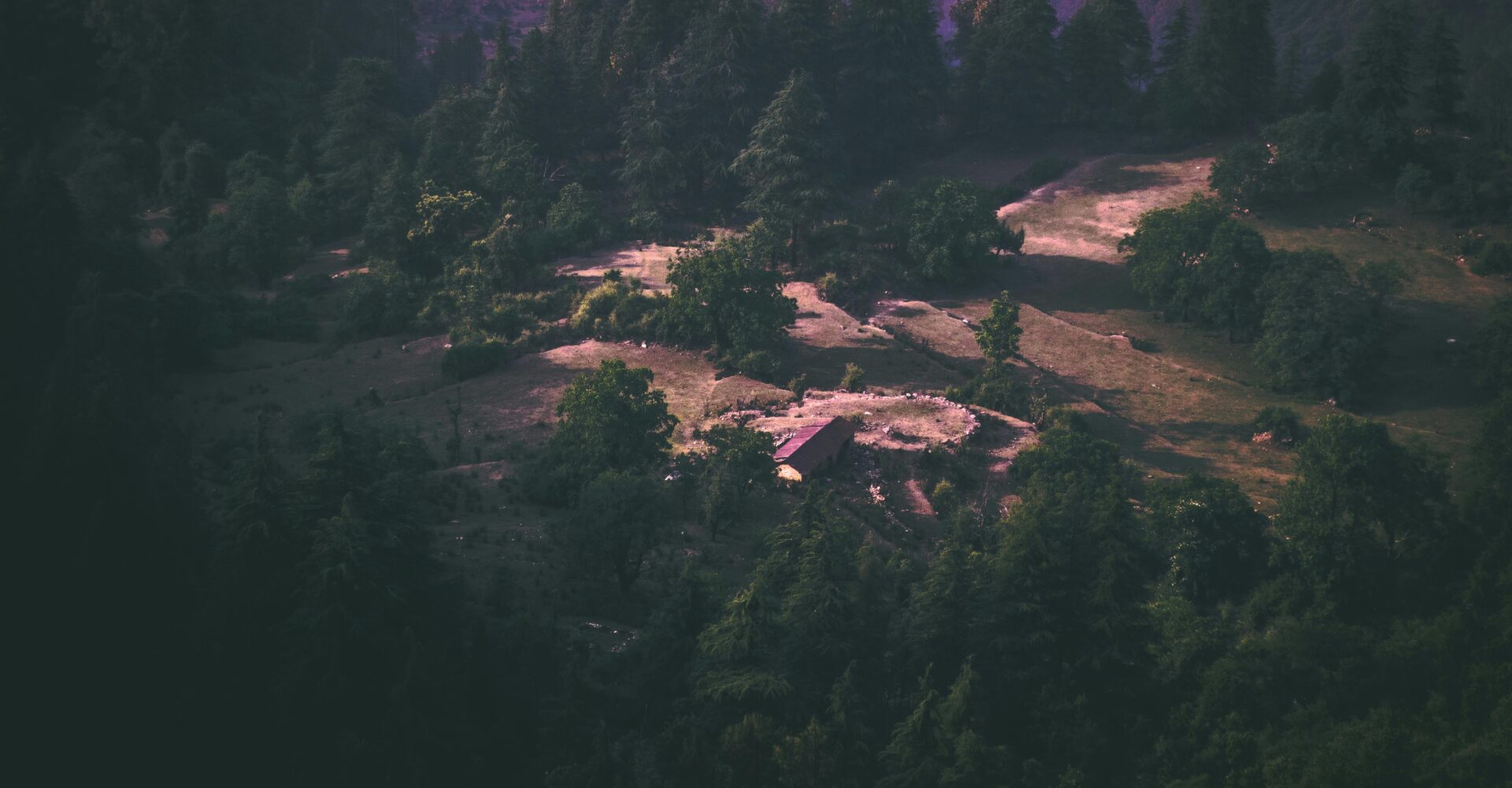
Dehradun’s history finds its origins in ancient Indian mythology. The region is believed to have been part of the Kedarkhand, a territory described in the sacred texts of the Skanda Purana. The name “Dehradun” itself has mythological significance. “Dera” means camp or settlement, and “Dun” refers to the valley. According to legend, Guru Dronacharya, the renowned teacher of the Kauravas and Pandavas in the Mahabharata, resided in this region, which was then known as “Dronanagari.” His association with the area lends it a mystical aura, making it a land of ancient wisdom and learning.
Another legend links Doon to the epic Ramayana. It is believed that Lord Rama and his brother Lakshmana visited this region after defeating Ravana. Lakshmana is said to have meditated near a site that is today home to the Lakshman Siddh Temple, a revered pilgrimage destination.
History of Dehradun During the Medieval Period
During the medieval period, Doon came under the influence of various rulers, including the Katyuri dynasty, which was prominent in the Kumaon region. The Katyuris played a significant role in shaping the socio-political landscape of the area. Their legacy includes the development of temples and trade routes that connected Doon to other parts of northern India.
In the 14th century, the region saw the rise of the Garhwal Kingdom, under which Doon flourished as a hub of culture and trade. The Garhwal rulers established administrative centers and promoted the growth of agriculture, making the Doon Valley a fertile and prosperous region. The ruins of ancient forts and temples scattered across the valley bear testimony to this era of development.
The Mughal and Sikh Influence
The Mughal period brought significant changes to Dehradun. The valley’s lush landscapes and strategic location attracted the attention of Mughal emperors. Although Dehradun did not come under direct Mughal rule, it was a part of the larger political dynamics of the time.
One of the most notable historical events occurred during the late 17th century when Guru Ram Rai, the elder son of Guru Har Rai, the seventh Sikh Guru, was exiled to Dehradun. Guru Ram Rai established a “dera” (camp) in the region, which eventually became the nucleus of the modern city. He constructed the Guru Ram Rai Darbar Sahib, a magnificent Gurudwara that remains a major religious and historical landmark. The arrival of Guru Ram Rai and his followers marked the beginning of Dehradun’s transformation into a significant cultural and spiritual center.
The Colonial Era
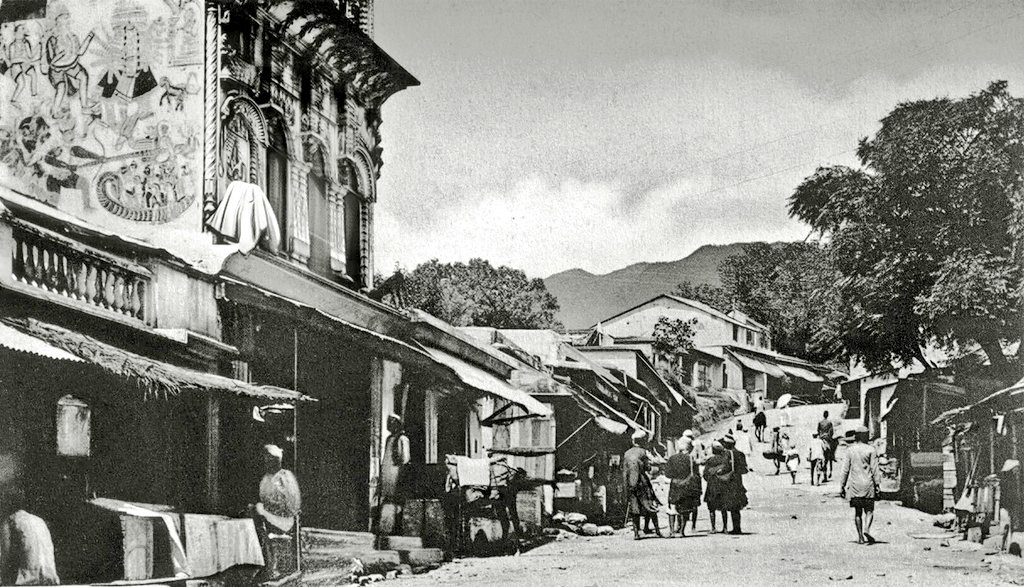
The modern history of the Doon Valley is deeply connected to the British colonial period, which brought major political, educational, and economic changes to the region. After the Anglo-Nepalese War, the signing of the Treaty of Sugauli transferred the valley to British control. The British administration quickly recognized the strategic importance of the region because of its location between the Himalayan foothills and the fertile plains of North India. Its peaceful environment and moderate climate also made it an attractive place for settlement and administration.
During the colonial era, the British transformed the valley into an important military cantonment and administrative center. Roads, government offices, and residential colonies were developed to strengthen British presence in the region. Many colonial-style buildings constructed during this period still reflect European architectural influence and remain a part of the valley’s historical identity.
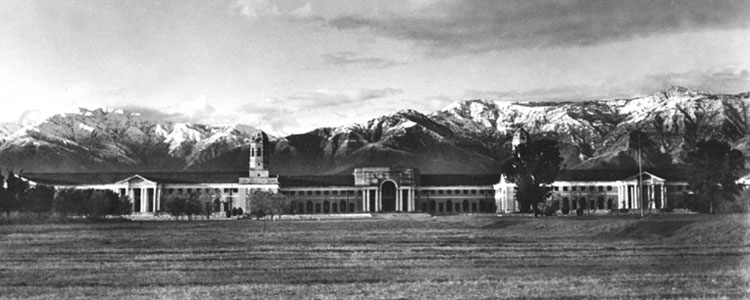
The British period also played a major role in shaping the educational and scientific reputation of the region. Prestigious institutions such as The Doon School and the Forest Research Institute were established to promote modern education, forestry research, and administrative training. These institutions attracted students, researchers, and scholars from different parts of India and helped the valley earn recognition as an educational hub.
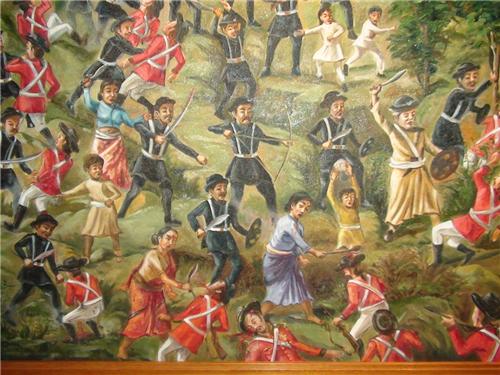
Transportation and communication systems also improved significantly during British rule. The construction of the railway line in 1900 connected the valley with major cities of northern India, increasing trade, tourism, and administrative efficiency. Better connectivity encouraged migration and supported the growth of local markets and businesses.
Another major contribution of the British was the introduction of tea plantations in the Doon Valley. The fertile soil and favorable climate proved ideal for tea cultivation. Large tea estates were developed across the region, creating employment opportunities and boosting the local economy. Over time, the valley became known for producing high-quality tea, which gained popularity in different parts of the country.
The colonial era left a lasting impact on the social, cultural, and infrastructural development of the region. Even today, many educational institutions, churches, tea gardens, and colonial-era buildings continue to reflect the historical legacy of British influence in the Doon Valley.
The Freedom Struggle
The city played a notable role in India’s struggle for independence. This Himalayan valley region became a center for nationalist activities, where freedom fighters organized protests and spread awareness about the independence movement. Prominent leaders like Jawaharlal Nehru and Mahatma Gandhi visited the region, inspiring local residents to participate in the fight against British colonial rule.
The contribution of the people of the Doon Valley to the freedom movement is remembered through memorials, historical sites, and cultural events that highlight the region’s importance in shaping modern India.
Post-Independence Development
After India gained independence in 1947, Dehradun continued to grow as an important administrative and educational center. The city’s status was further elevated when it became the capital of Uttarakhand in 2000. This development brought significant infrastructural and economic changes, transforming Dehradun into a bustling urban center.
Today, Dehradun is known for its vibrant culture, excellent educational institutions, and a mix of urban and rural lifestyles. The city’s rich historical legacy is preserved in its monuments, museums, and traditional practices, attracting tourists and history enthusiasts from across the world.
Preserving the Legacy
Efforts are ongoing to preserve Dehradun’s historical and cultural heritage. Initiatives to restore ancient temples, conserve colonial-era buildings, and promote eco-tourism reflect the city’s commitment to honoring its past while embracing modernity. The unique blend of tradition and progress makes Dehradun a city that stands as a living testament to India’s diverse and dynamic history.
Conclusion
The journey through time, showcasing its evolution from a mythological land to a modern city. Each era has left its imprint on the city, contributing to its unique identity. Whether it’s the tales of Guru Dronacharya, the legacy of Guru Ram Rai, the colonial architecture, or the spirit of the freedom struggle, Dehradun’s past is a source of pride and inspiration. As the city continues to grow and thrive, it remains deeply connected to its roots, offering a harmonious blend of history, culture, and progress.
Frequently Asked Questions (FAQs)
1. What is the history of Dehradun?
The history of Dehradun dates back to ancient times and is connected with Hindu mythology, the Mahabharata era, the Garhwal Kingdom, Mughal influence, British colonial rule, and modern Uttarakhand development.
2. Why is Dehradun called Dehradun?
Dehradun got its name from Guru Ram Rai’s “dera” (camp) and the “Doon” Valley. The city developed around Guru Ram Rai’s settlement during the 17th century.
3. What is the mythological significance of Dehradun?
According to Hindu mythology, Dehradun is associated with Guru Dronacharya from the Mahabharata. The region was earlier known as Dronanagari and is believed to have been his residence.
4. Who founded modern Dehradun?
Modern Dehradun was founded by Guru Ram Rai, the elder son of the seventh Sikh Guru, Guru Har Rai, in the late 17th century.
5. What was Doon’s role during British rule?
During British rule, Dehradun became an important educational, military, and administrative center. The British established institutions like the Forest Research Institute and developed tea plantations in the region.
6. When did Doon become the capital of Uttarakhand?
Doon became the capital of Uttarakhand in the year 2000 after the state was separated from Uttar Pradesh.
7. Which historical places can be visited in Doon?
Popular historical places in Doon include Guru Ram Rai Darbar Sahib, Forest Research Institute (FRI), Tapkeshwar Temple, Robber’s Cave, and the Indian Military Academy (IMA).
8. What is the cultural importance of Dehradun?
Doon is known for its blend of Garhwali culture, colonial heritage, educational institutions, and religious significance, making it one of the most culturally rich cities in North India.
9. How did the British influence the history of Dehradun?
The British introduced modern education, railways, tea gardens, and scientific institutions, which transformed Doon into a well-developed hill city.
10. Why is Doon famous today?
Today, Doon is famous for its natural beauty, prestigious schools, tourism, military institutions, and its role as the capital city of Uttarakhand.
Also read: Complete Dehradun Travel Guide 2026 | Top Tourist Places in Dehradun | Things to Do in Dehradun | Best Summer Destinations in Dehradun












[…] 16 times, 6 visit(s) today [mc4wp_form id="5878"] ← Previous StoryHistory of Dehradun: Incredible Journey From Ancient Times to Modern […]
[…] you are planning a summer trip in 2026, Dehradun deserves a place at the top of your travel […]